Logan Bauer · 11 September 2026
Weather Data Applications in Optimizing Large Scale Outdoor Gatherings
Weather data plays a central role in the planning and execution of large scale outdoor gatherings because organizers integrate forecasts, historical records, and real-time observations to manage risks, allocate resources, and maintain operational continuity. Data from meteorological agencies shows that events spanning multiple days or attracting tens of thousands of attendees experience fewer disruptions when teams apply predictive models during site selection and layout design. Researchers at institutions tracking climate patterns note that variables such as wind speed, precipitation probability, and temperature extremes directly influence decisions about staging, fencing, and emergency access routes.
Site Selection and Long-Term Planning
Planners examine multi-year datasets before committing to a location, and they cross-reference local climate normals with projected attendance figures to determine whether a venue can accommodate weather-related contingencies. Government meteorological services in regions like North America and Europe supply gridded forecast products that allow teams to simulate scenarios months in advance. One study conducted by university researchers in Australia demonstrated that festivals scheduled during transitional seasons benefit from incorporating seasonal outlooks that account for shifting jet stream positions and associated rainfall anomalies. This approach reduces the likelihood of last-minute relocations or cancellations by aligning event dates with periods of lower atmospheric instability.
Real-Time Monitoring and Dynamic Adjustments
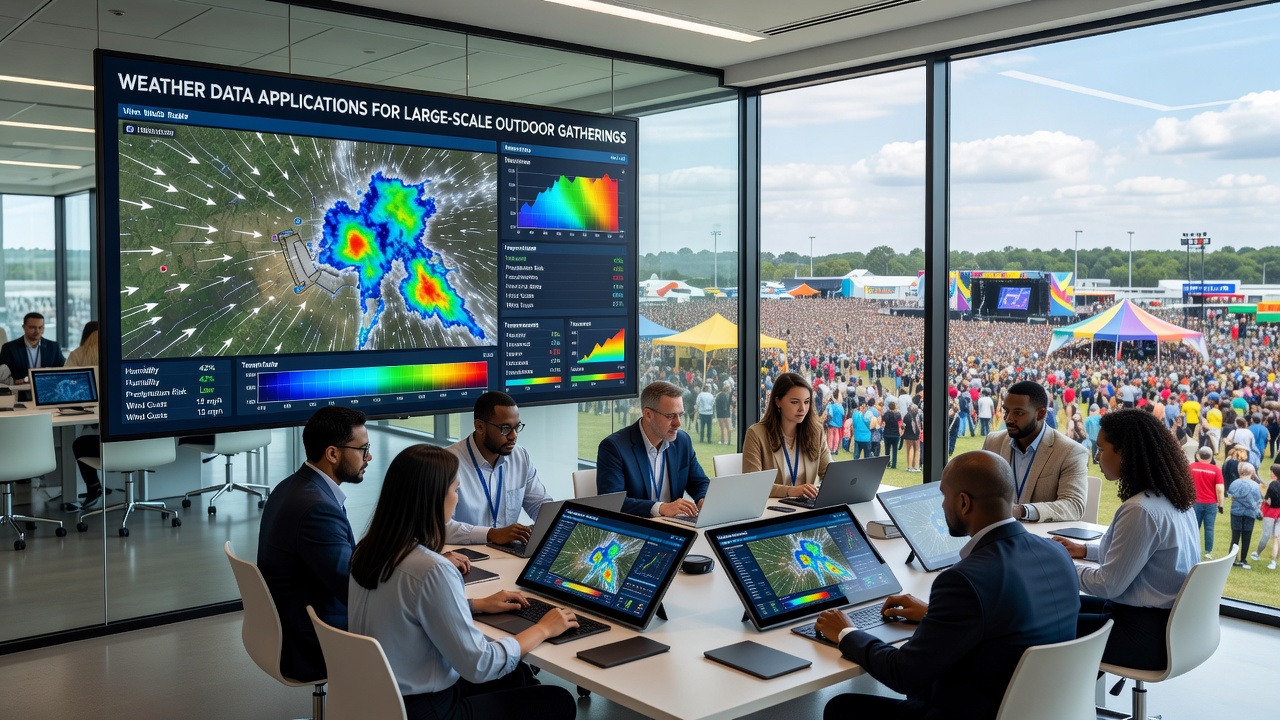
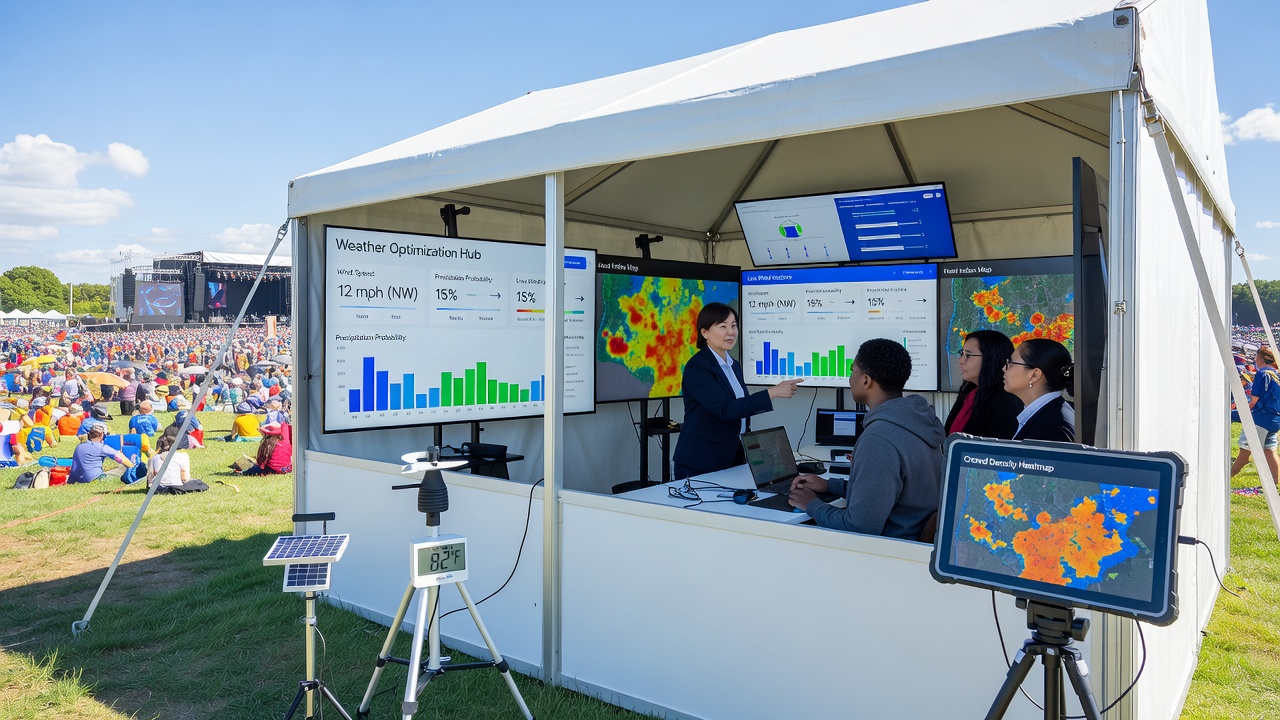
During active events, organizers deploy networks of on-site sensors that feed live data into centralized dashboards, enabling rapid responses to changing conditions. Wind gust thresholds trigger predefined protocols for temporary structures, while rainfall accumulation rates inform decisions about ground coverage and drainage activation. Observers note that integration of satellite imagery with ground-based radar allows operators to anticipate storm cell movement with lead times sufficient for crowd redistribution. In September 2026 several major European gatherings are scheduled to test enhanced nowcasting systems that combine European Centre for Medium-Range Weather Forecasts outputs with local lightning detection arrays, providing updates at fifteen-minute intervals.
Safety Protocols and Emergency Coordination
Emergency management agencies require weather thresholds to be embedded in incident action plans, and these thresholds determine when evacuation routes activate or when capacity limits are imposed. Data compiled by the National Oceanic and Atmospheric Administration indicates that lightning-related incidents at outdoor venues decline when automated alert systems tied to flash-to-bang measurements operate continuously. Coordinators also monitor heat index values to schedule medical staffing and hydration station placements, because prolonged exposure above certain temperature-humidity combinations correlates with increased medical calls according to records from multiple North American health departments. Those who manage large-scale events often maintain direct communication lines with national weather services so that watches and warnings reach decision-makers without delay.
Resource Allocation and Logistics Optimization
Procurement teams use precipitation forecasts to determine quantities of temporary flooring, tent reinforcements, and power distribution equipment, thereby avoiding both shortages and excess inventory costs. Transportation planners adjust shuttle schedules and parking lot configurations when forecasts indicate high winds or heavy rain that could affect vehicle traction or visibility. Industry reports from Canadian research groups reveal that festivals incorporating hourly forecast updates into vendor delivery windows experience measurable reductions in setup delays and product spoilage. Food and beverage suppliers similarly calibrate cold storage capacity based on temperature projections, ensuring perishable stock remains within safe ranges throughout multi-day operations.
Attendance Patterns and Revenue Implications
Ticketing platforms and marketing teams analyze historical weather correlations with attendance to refine dynamic pricing models and promotional timing. When forecasts indicate favorable conditions, organizers sometimes expand capacity or extend hours, whereas adverse predictions prompt targeted communications that encourage early arrival or on-site shelter usage. Figures from tourism boards in various countries show that events promoting weather-informed advisories maintain higher visitor satisfaction scores because attendees receive accurate expectations rather than surprises. Logistics partners adjust staffing levels for security, medical, and cleanup crews according to the same datasets, creating a feedback loop where weather intelligence informs every layer of operational planning.
Conclusion
Weather data applications continue to expand as sensor technology, modeling resolution, and integration platforms improve, allowing organizers of large scale outdoor gatherings to shift from reactive measures toward proactive optimization. Continued collaboration between meteorological agencies, academic researchers, and event professionals supports the development of standardized protocols that address both routine variability and extreme events. As more gatherings adopt these integrated approaches, records indicate measurable gains in safety metrics, operational efficiency, and resource stewardship across diverse geographic and seasonal contexts.